Yulianna Avdeeva's Chopin left Colin Anderson cold, but his praise for the Bach stood out
Classical Source's Colin Anderson found a mixed evening at London's Queen Elizabeth Hall, praising the Bach and the first half while doubting her Chopin and Schumann.
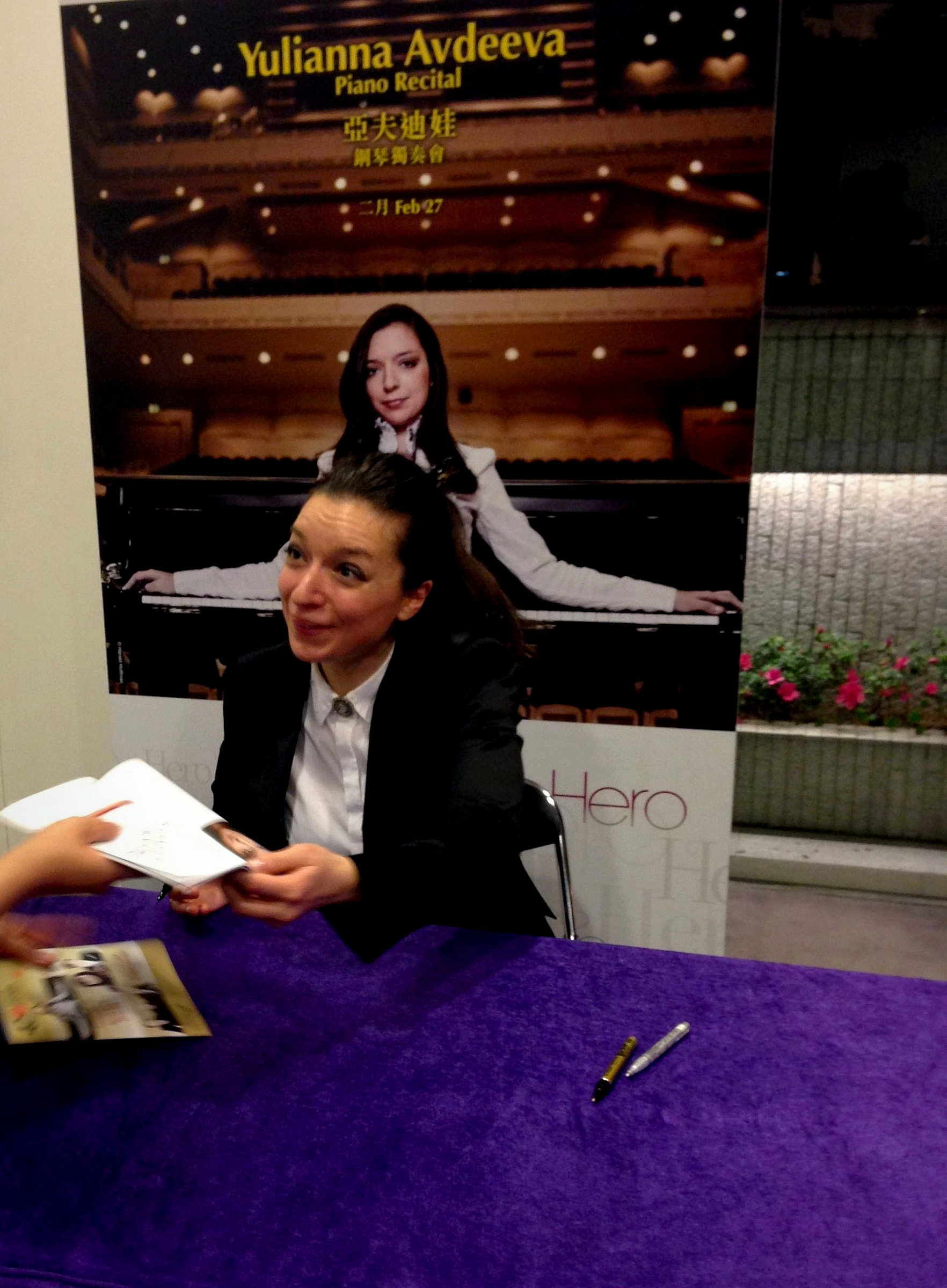
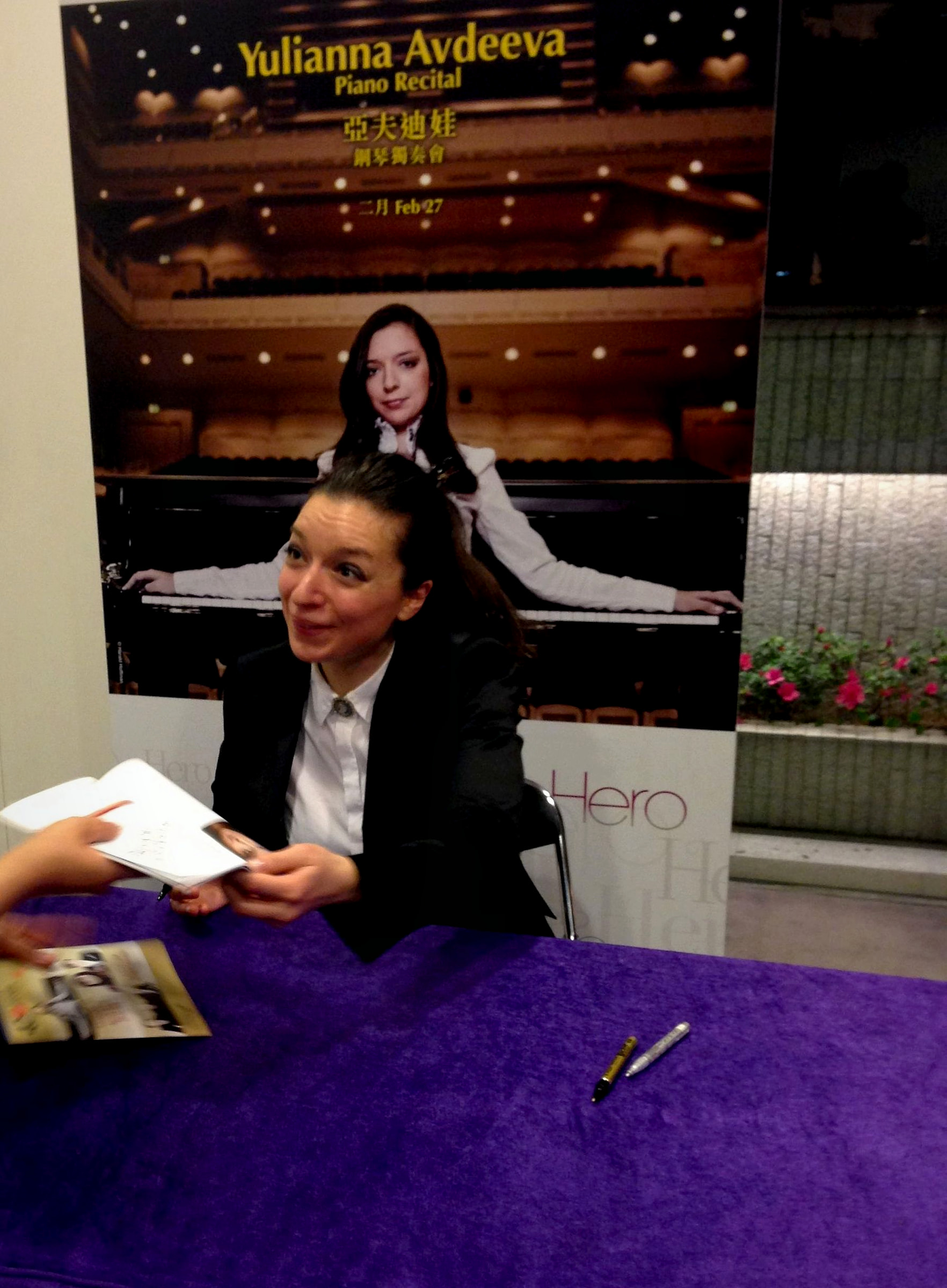
Yulianna Avdeeva's 2013 recital at Queen Elizabeth Hall, part of the Southbank Centre, was the kind of evening that divides a review. Writing for Classical Source, Colin Anderson produced a notice that is more mixed than wholly hostile, but its criticisms are pointed enough to rank among the sharper reviews of the pianist's live work. Looking back at it now offers a useful picture of how her reputation stood at the time, and of the particular qualities a demanding listener found hard to accept.
What Anderson responded to most directly was Chopin. He recalled her earlier Chopin playing as forced, with dynamics and accents pushed further than the music seemed to need and with phrasing that stayed literal rather than breathing. The encores, also Chopin, he found somewhat clinical. His broader judgement was that she had not yet made this repertoire her own. The notes were secure and the control was evident, but the personal stamp that would make the playing feel inevitable was absent.
The Schumann sonata received similarly firm treatment. Anderson described the performance as severe, rational and lacking in flexibility, a reading that kept its structure intact but allowed little give in tempo or colour to carry the music's emotional shifts. For a listener hoping for the rhapsodic sweep that Schumann invites, this was the central disappointment of the later part of the evening.
Yet the review does not end in dismissal. Anderson called the Bach performance astonishing, and he considered the first half of the programme outstanding overall. That split is the most interesting feature of the notice. It suggests a critic who could hear real command and seriousness in her playing, who was willing to praise it where he felt she had found her footing, and who withheld enthusiasm where he heard mannerism or a lack of ease.
Read alongside the rest of her career, the piece says something about her live playing that remains relevant. Her strengths in disciplined, architectural music were clear to Anderson; her difficulties lay in romantic repertoire where the line needs to feel spontaneous. Whether or not one agrees with his verdict on Chopin and Schumann, the review gives a specific and fair-minded account of where the playing worked and where it did not, and it is a reminder that a harsh notice can still be a precise one.
Sources
Produced with AI assistance by the editorial team.
Gig guide
Live near you
Finding gigs in your area