Judge permanently dismisses lawsuit alleging Spotify allowed fake Drake streams
A federal judge has dismissed RBX's proposed class action with prejudice, finding he did not establish that Spotify owed him a legal duty. His lawyer says an appeal is likely.
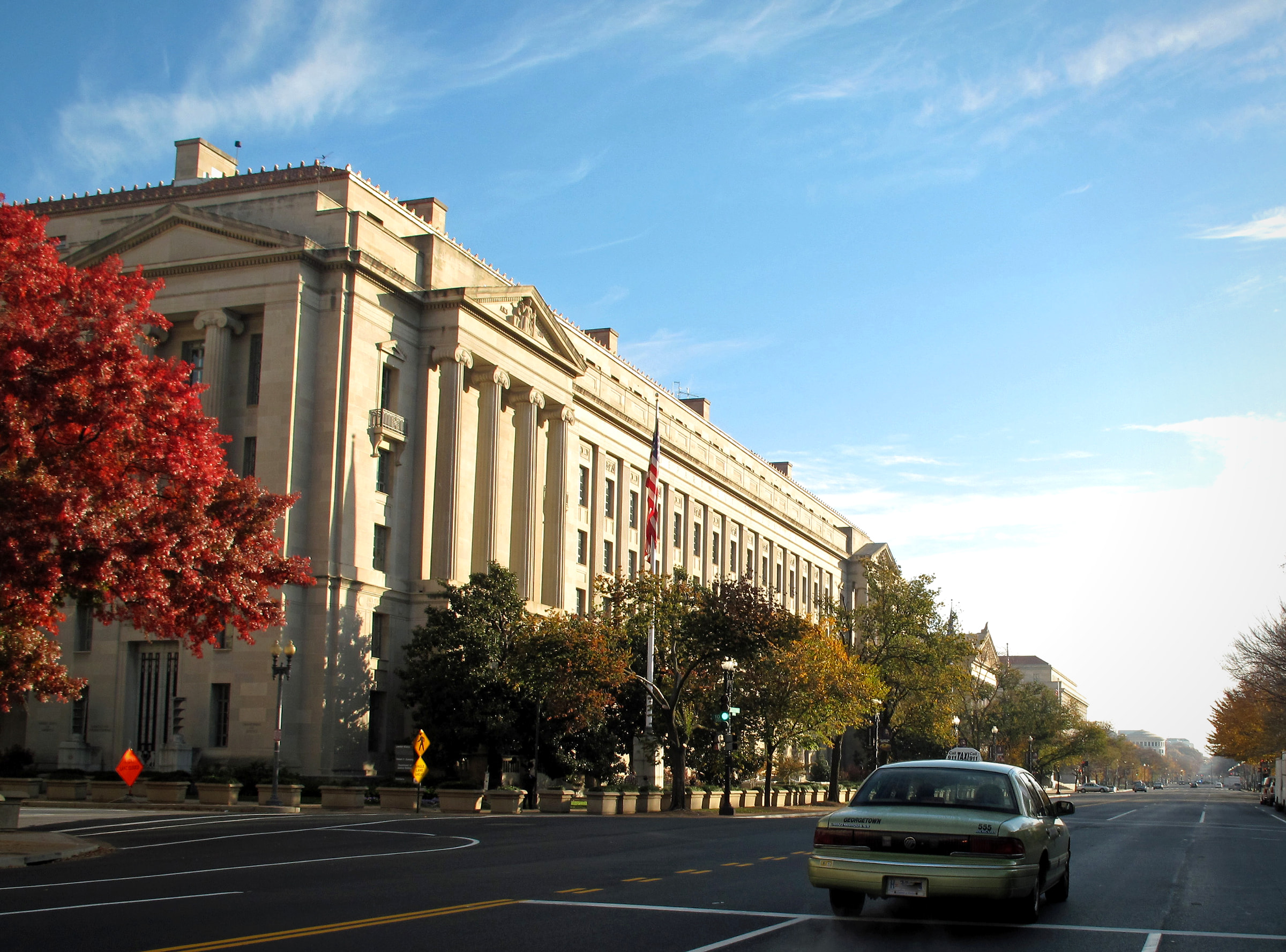
A federal judge has ended, for now, a proposed class action that accused Spotify of tolerating large-scale artificial streaming of Drake's music. Rolling Stone reported on October 26, 2026 that U.S. District Judge Josephine L. Staton dismissed the case with prejudice on Friday, so the plaintiff cannot bring the same claims again in federal court.
What the court decided
According to Rolling Stone, which obtained the 16-page order, Staton found that lead plaintiff RBX, whose legal name is Eric Dwayne Collins, had not shown that Spotify owed him a specific legal duty. She also found he had not shown the kind of harm needed to support a negligence claim. The judge added that he had not pleaded enough facts to back his allegations that Spotify enforced its rules unfairly, committed fraud, or harmed consumers or competitors.
Staton acknowledged that Collins may hold less power in the music industry than Spotify. She wrote, however, that this did not mean Spotify owed him any special protection. She characterized the relationship as a "mutually beneficial economic" one, with the power imbalance typical of dealings between corporations and individuals.
The ruling follows an earlier dismissal in which Collins was allowed to amend his complaint. Having considered the added facts in the amended filing, Staton wrote that she saw "no reason to depart from its prior conclusions."
The streamshare argument
Collins' complaint alleged that a "substantial, non-trivial percentage" of Drake's roughly 37 billion streams were inauthentic and driven by a network of bot accounts. His broader claim concerned how Spotify pays artists. Under the platform's streamshare model, subscription and advertising revenue is pooled and then divided according to each artist's share of total streams. Collins argued that artificially inflated plays let some artists take a disproportionate portion of that pool, leaving less for those whose streams are legitimate.
As reported, the order turns on legal duty and harm. Rolling Stone's account does not say the court made any finding on whether the Drake streams were genuine. For artists weighing similar claims, the decision shows that describing how a pooled payout can be diluted does not by itself establish that the platform owed them a legal obligation.
Drake, the appeal and a separate case
Drake was not a defendant. A representative for the rapper declined to comment on Monday, and Spotify's lawyers had not responded to Rolling Stone's request for comment. Mark Pifko, one of Collins' lead attorneys, told the magazine: "We are reviewing the order, but an appeal is likely."
The dismissal is unrelated to a separate federal lawsuit in Virginia, which does name Drake, whose legal name is Aubrey Graham, along with streamer Adin Ross. That suit alleges the two used the online casino platform Stake.us to fund a "bot army" that inflated Drake's streams. Its plaintiffs also claim they were influenced to take part in Stake's gambling operation by Drake's paid promotions. The judge stayed the case on July 30, leaving it on hold pending arbitration between Stake and the plaintiffs. Drake's representative declined to comment when that lawsuit was filed. The claims in both cases are allegations.
Sources
Gig guide
Live near you
Finding gigs in your area